Credits
A Mybosswas production
A film by
Irene Dionisio
Written by
Irene Dionisio
Producers
Giorgio Ferrero, Rodolfo Mongitore, Marco Quartana
Creative producer
Giorgio Ferrero
Assistant Director
Ludovica Fales
Dop
Francesca Cirilli, Carlo Mossetti
Original Music by
Matteo Marini, Gabriele Concas
Sound by
Giorgio Ferrero, Nadir Naji
Edited by
Aline Hervè
Scientific Advisor
Mosé Vernetti
Development direction
Margot Mecca
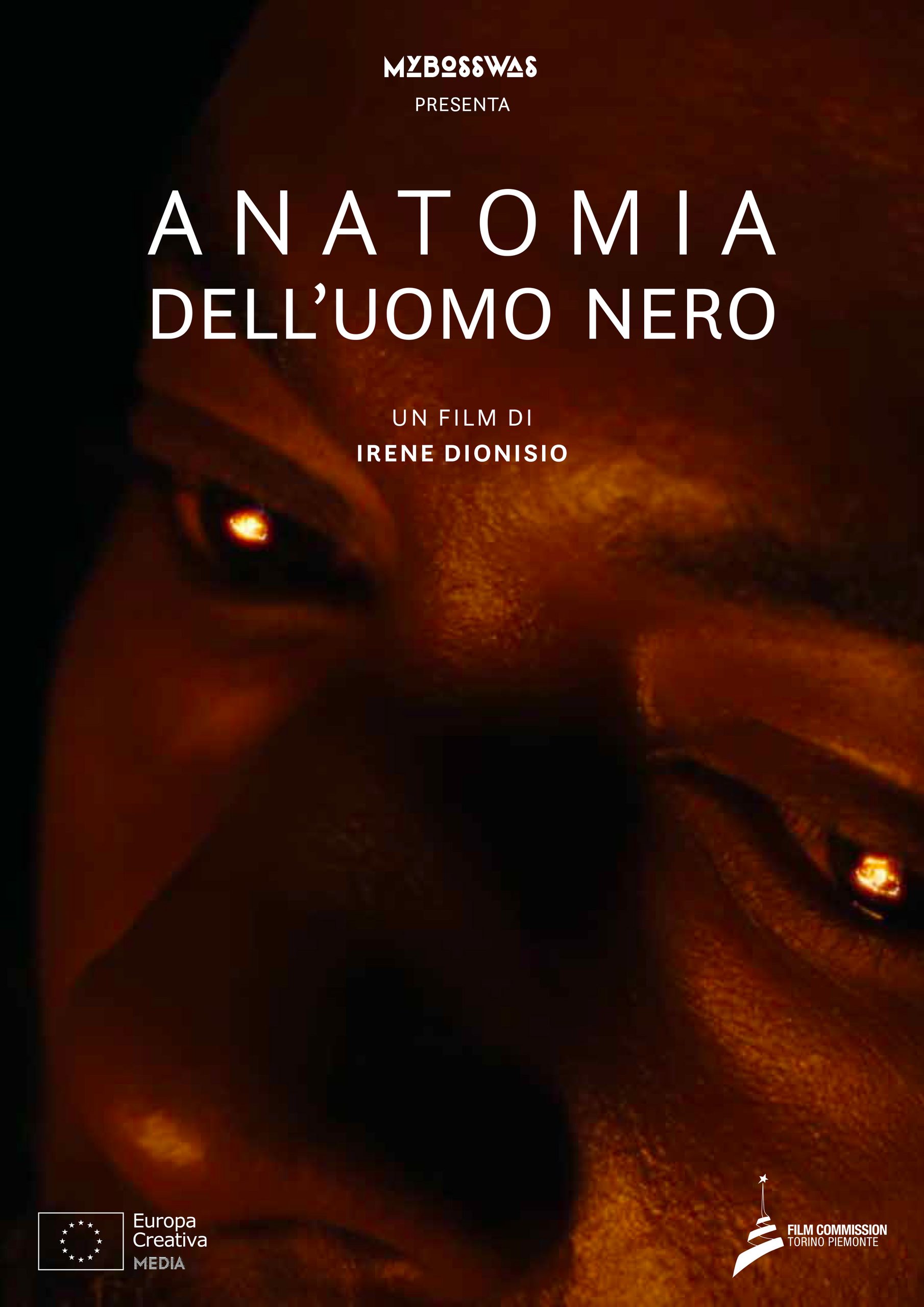
A documentary film by
Irene Dionisio
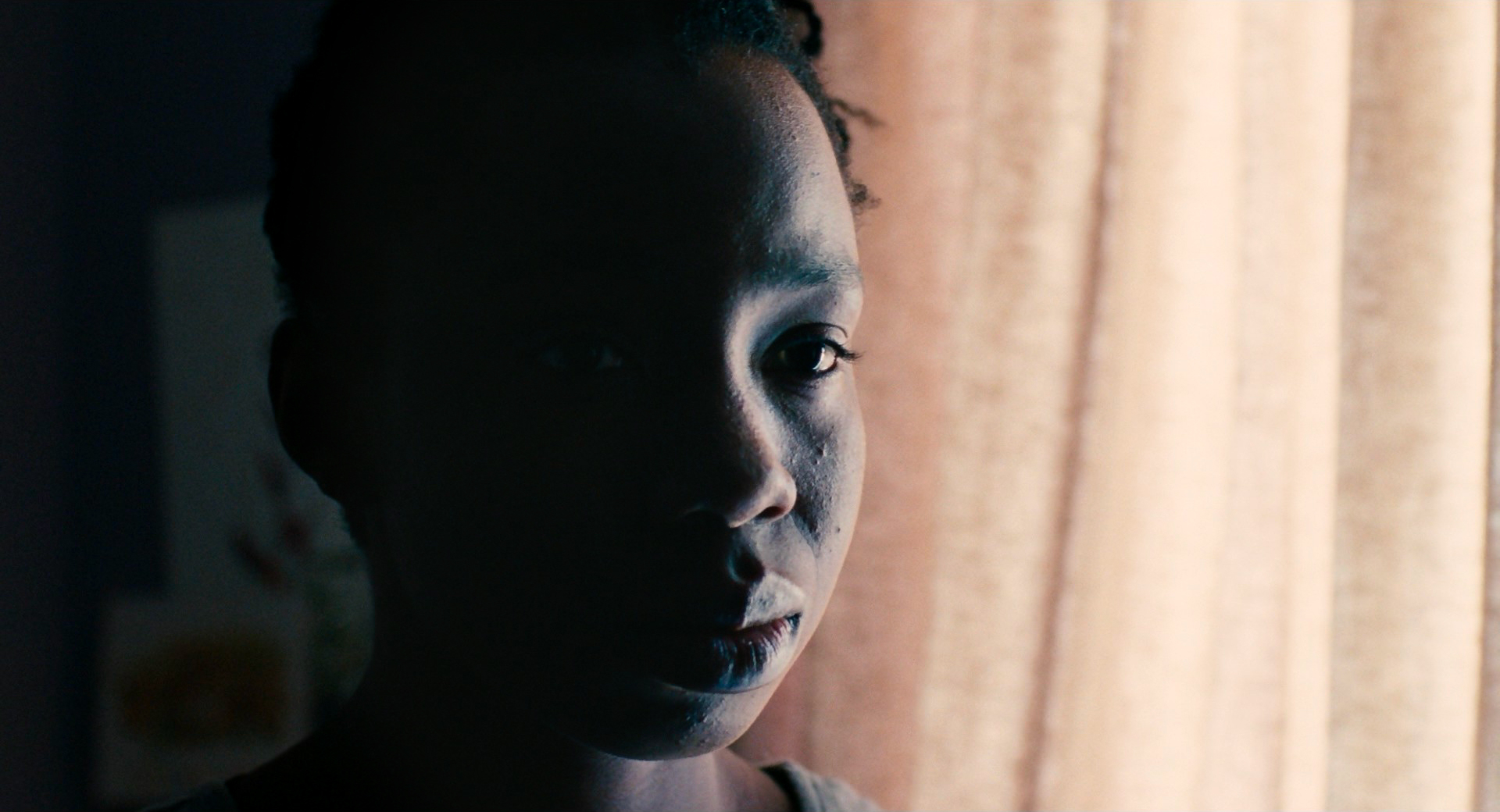
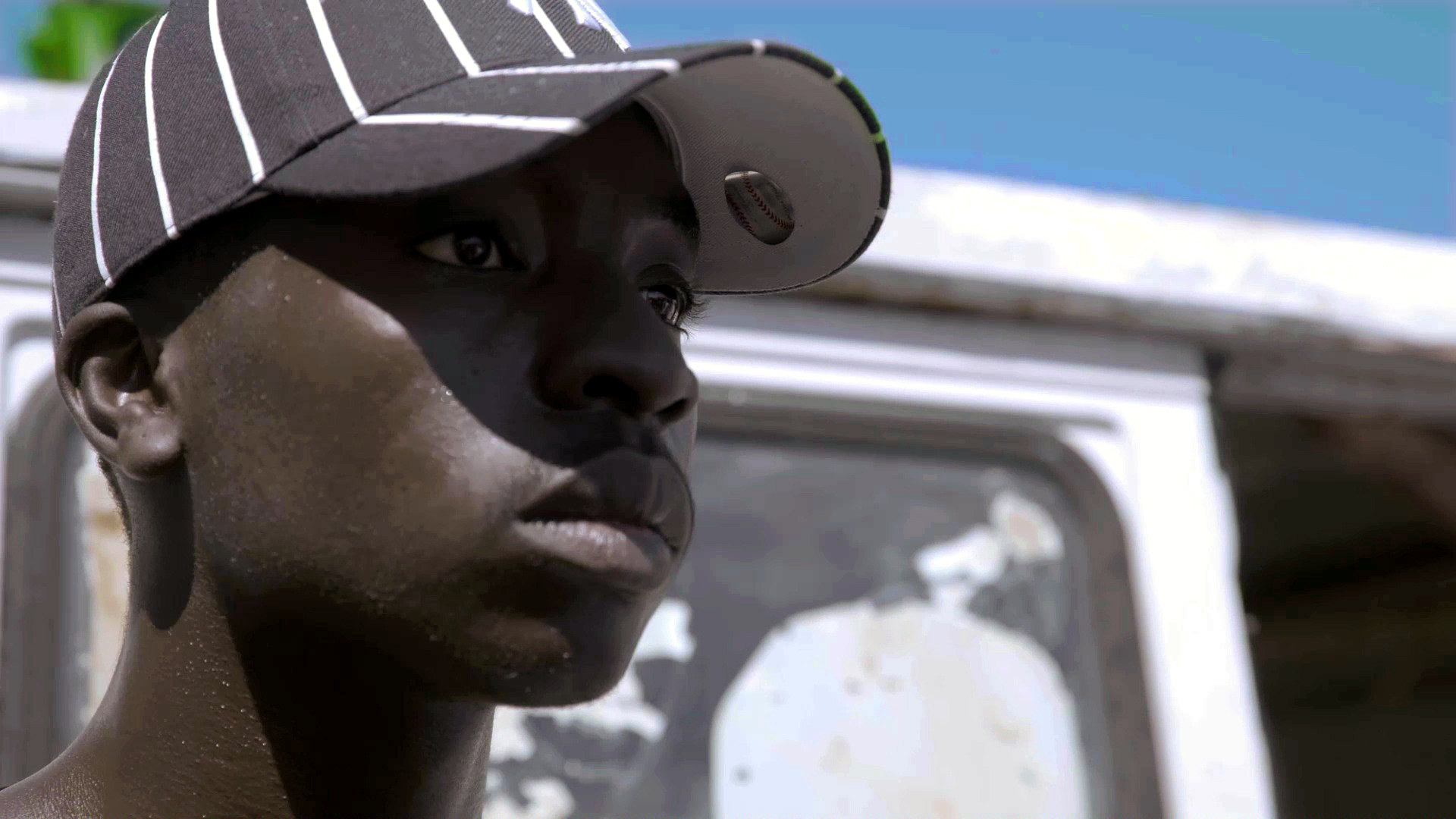
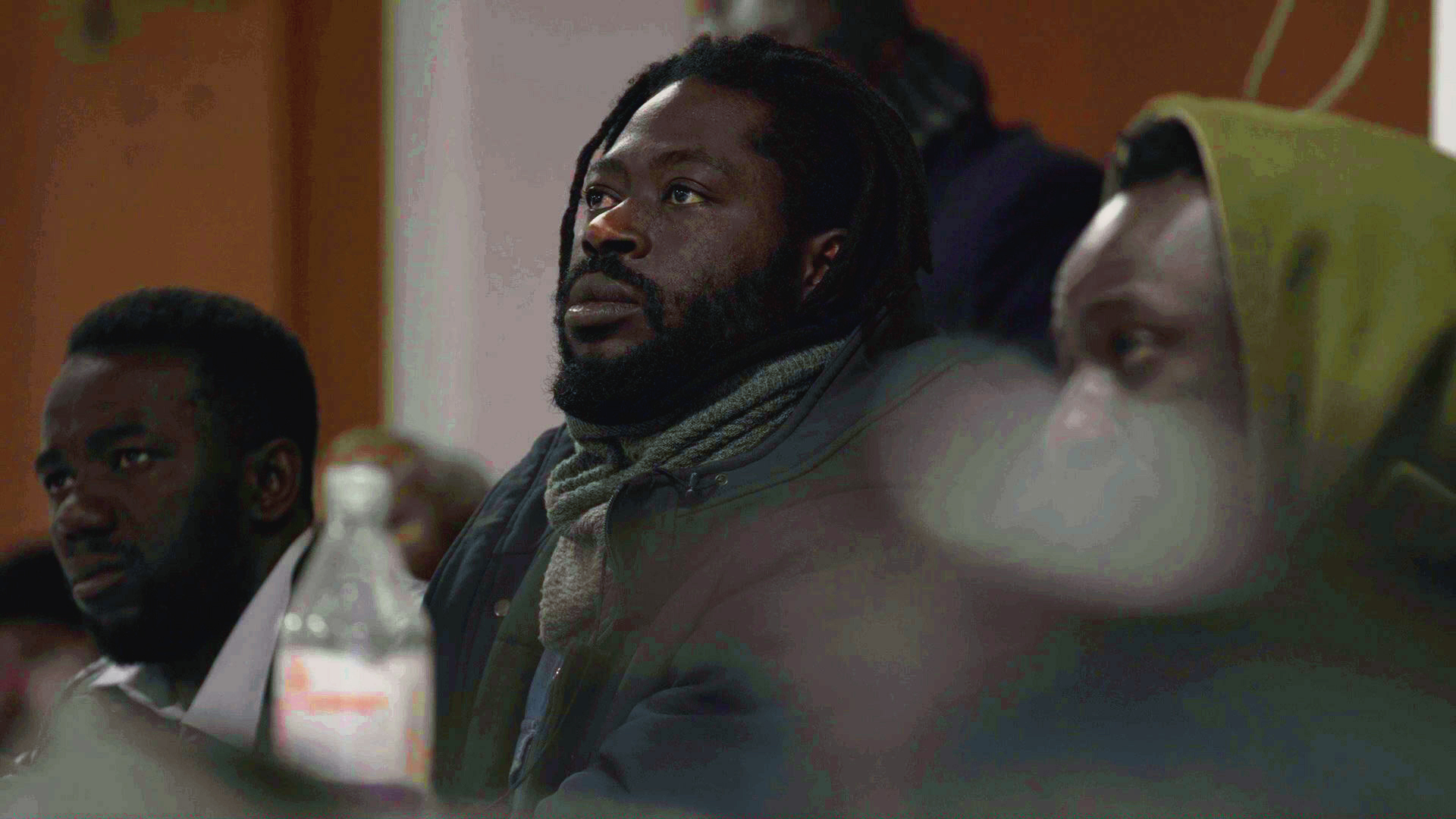
“Anatomia dell’uomo nero” is a journey through Italy, between past and present, that intertwines the memory of Italy’s repressed colonial past with the visible and invisible traces that continue to shape contemporary racism.
Starting from a traumatic episode that directly involved her, the director embarks on a journey across Italy, both physical and through memory, to expose the historical construction of the “Black Man”, seen through the subjective and personal prism of white repression.
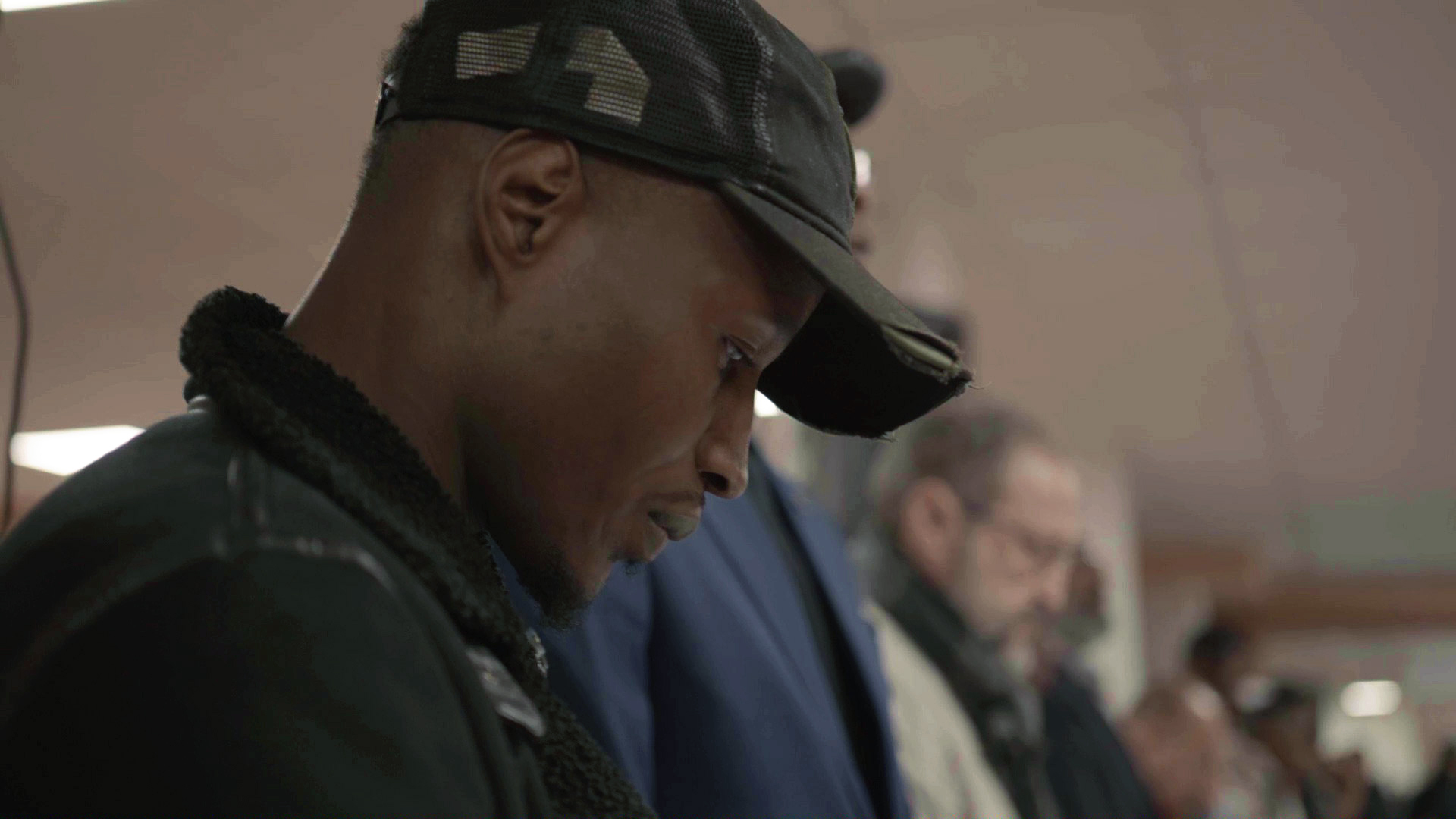
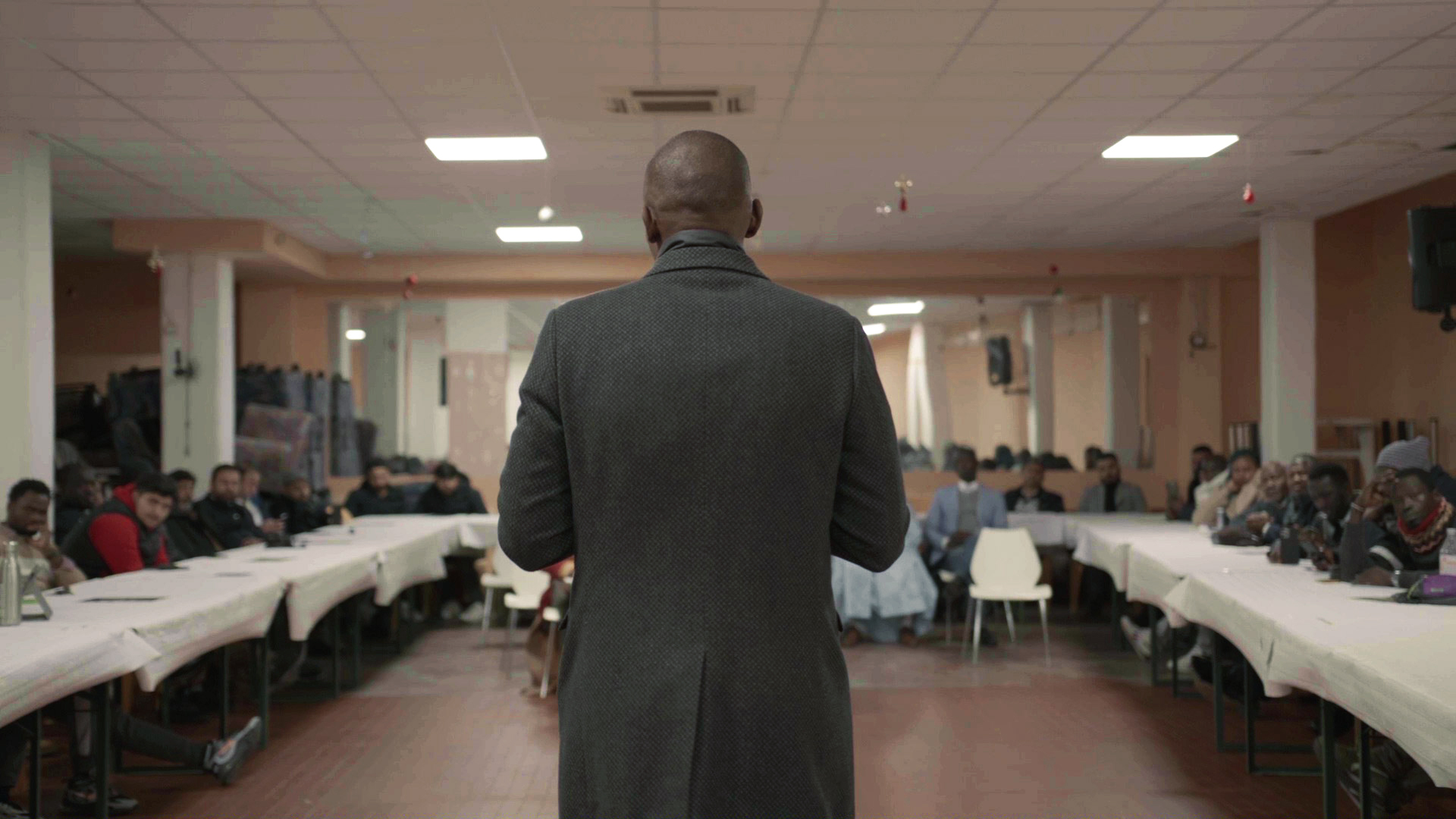
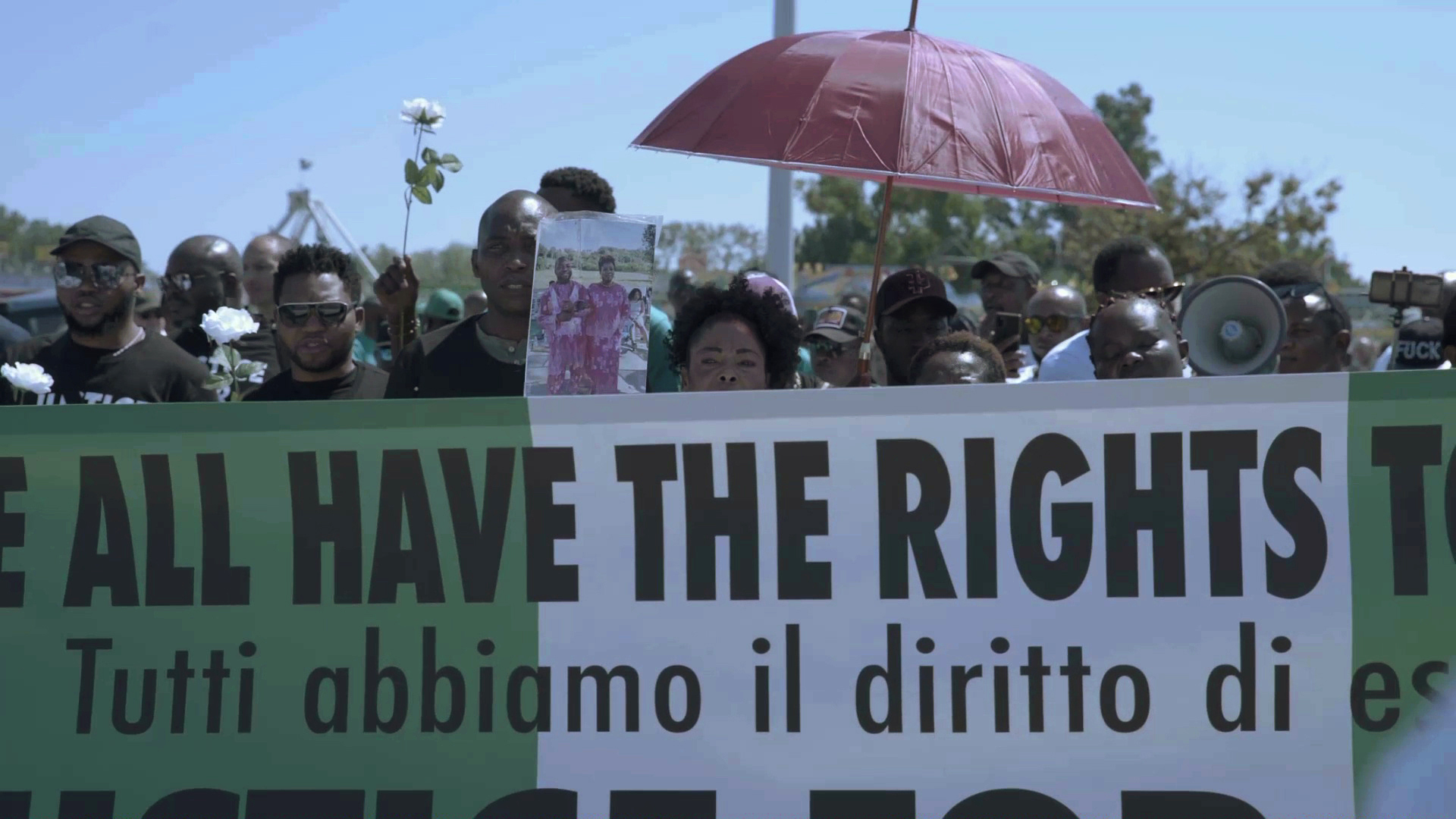
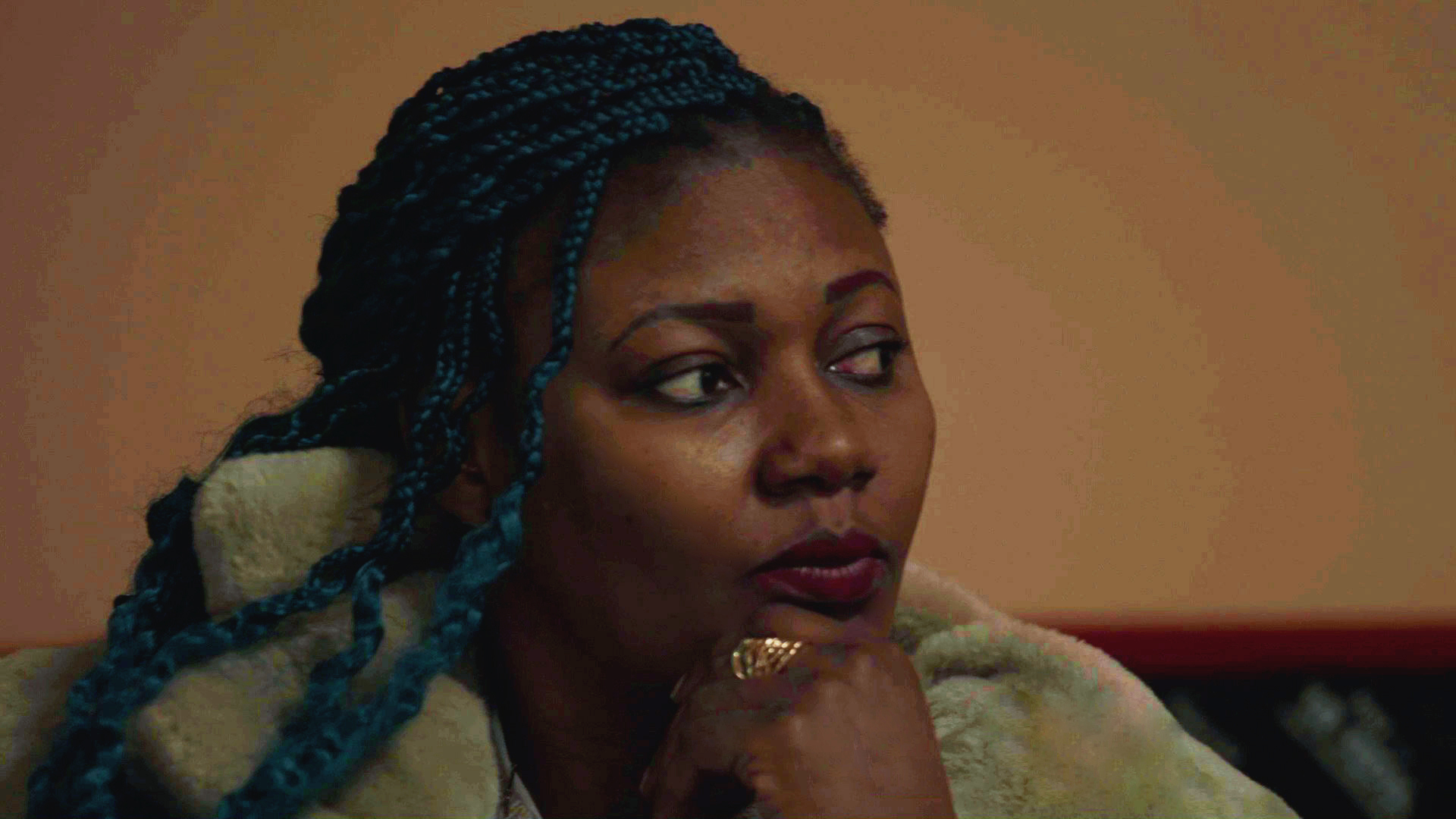
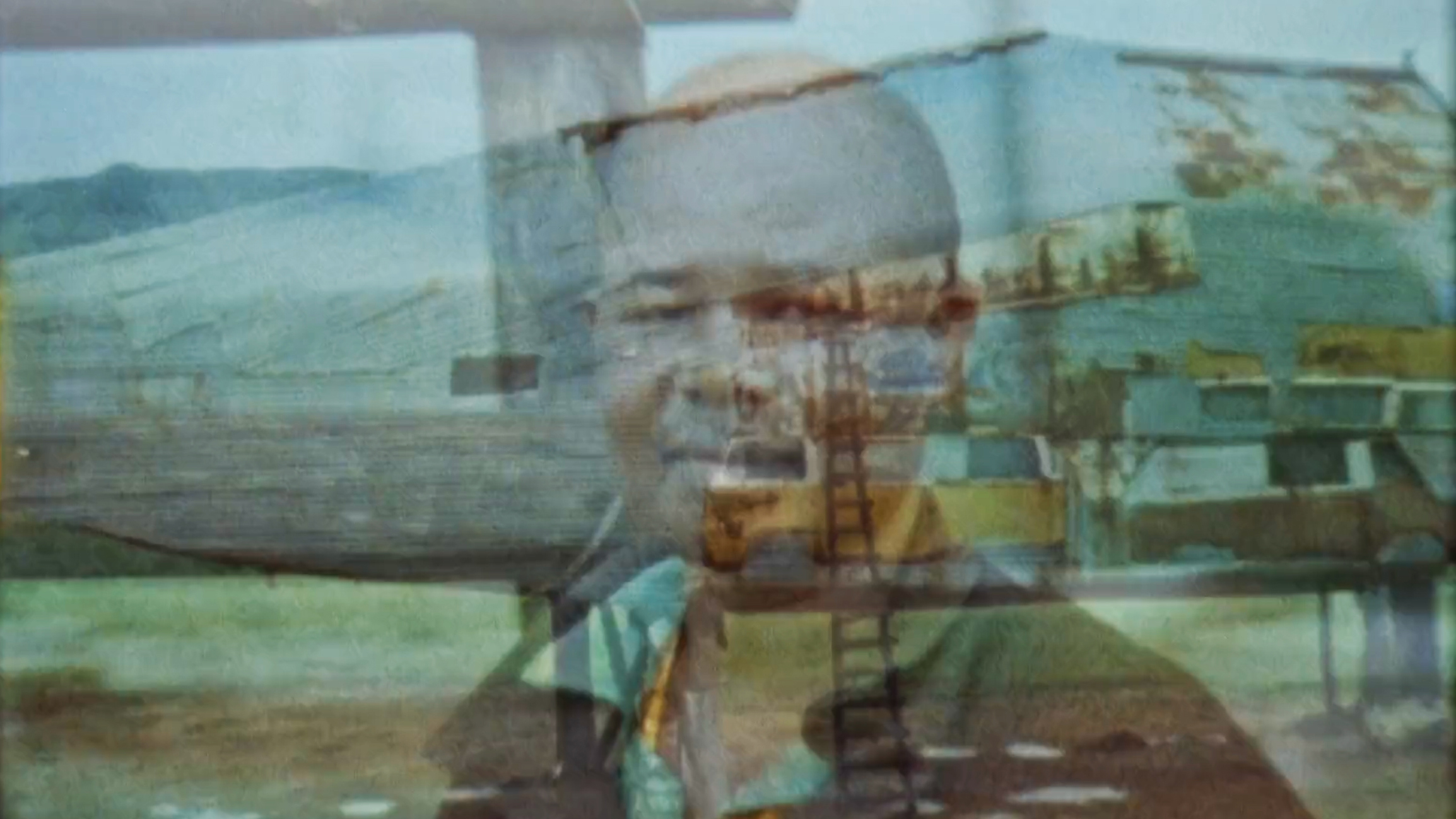
The film interweaves archival materials, photographs, newsreels, videos and documents from the Fascist era, with contemporary testimonies, creating an intense dialogue between past and present. Historical images are re-examined and deconstructed, revealing stereotypes, practices of exclusion and representations that have normalized dehumanization. From these roots emerge the threads connecting colonialism to new forms of modern slavery, from contemporary labour ghettos to CPRs (Repatriation Detention Centres), through the lack of representation, both in Parliament and among younger generations.
With the support of
Creative Europe MEDIA
Film Commission Piemonte
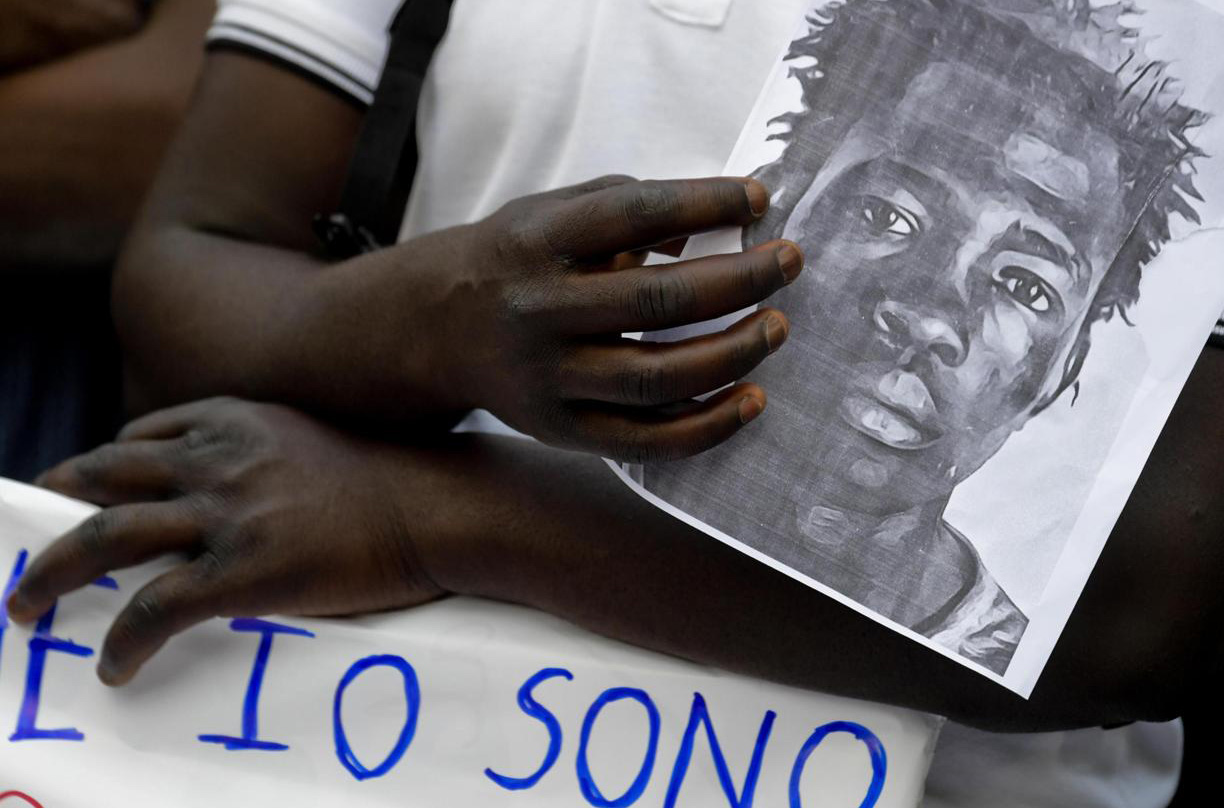
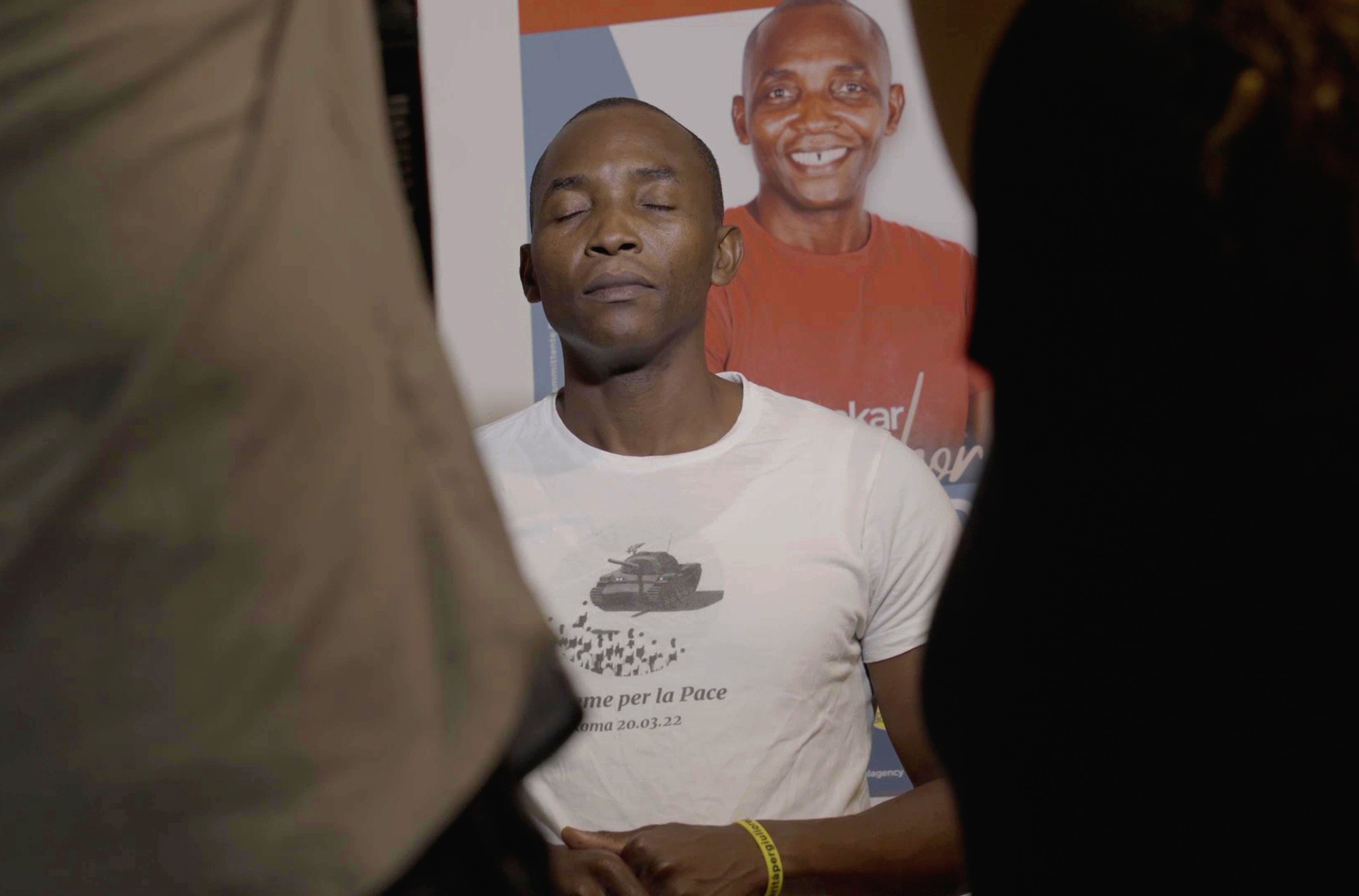
“Anatomia dell’uomo nero” is not merely a chronicle of events: it is an act of critical remembrance that dismantles reassuring narratives about national identity. Through interviews, reconstructions and manipulated archival footage, the director reveals how the “Black” has been constructed as a category serving the purposes of domination, exploitation and exclusion. The ending raises a question: does restoring a face and a history also mean renegotiating rights, recognition and participation?
The film aspires to be an uncomfortable mirror for contemporary Italy, called upon to confront its past in order to break the chains of the present.